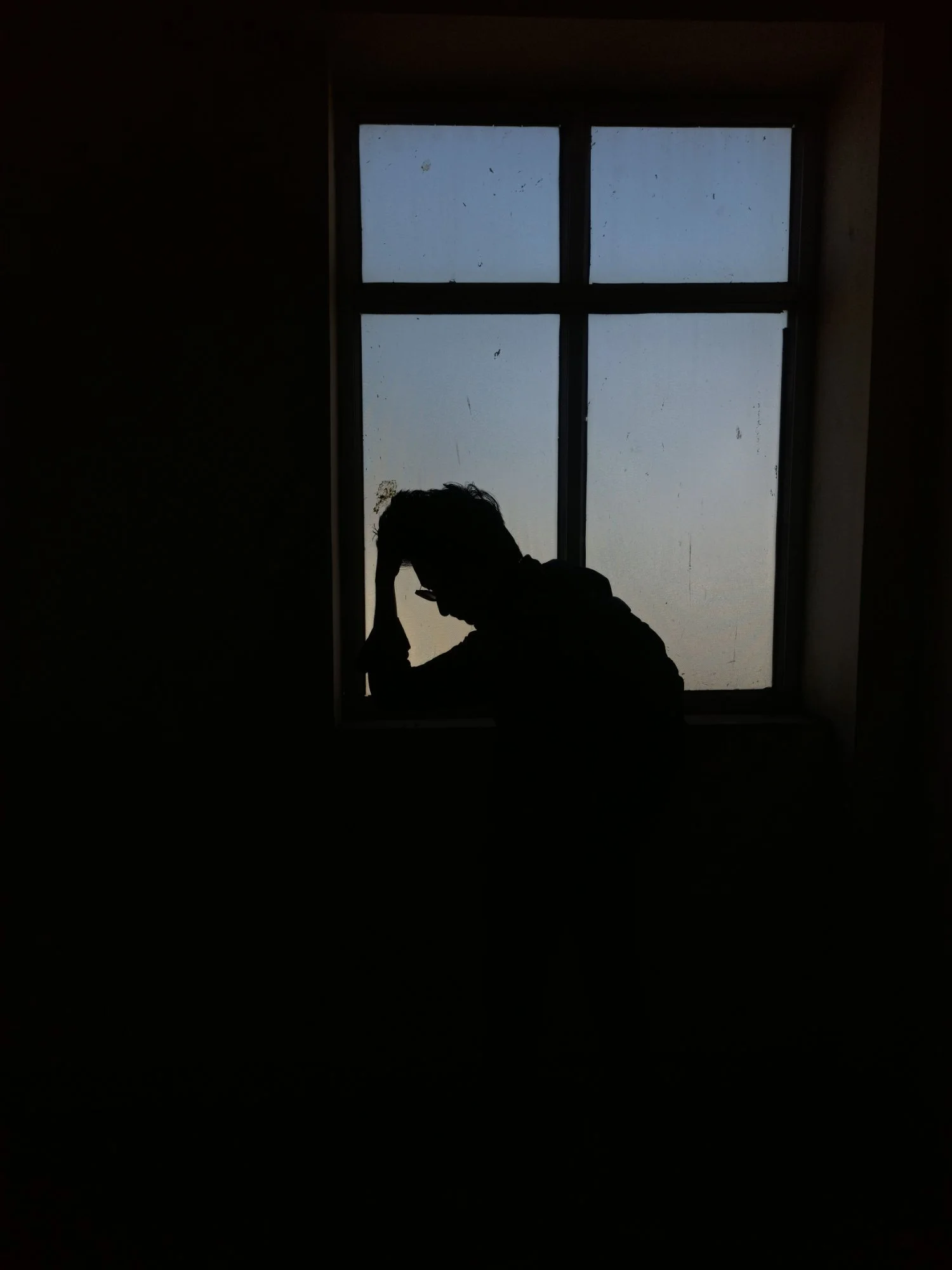
When the clocks fall back, many people feel their mood fall with them.
It gets dark before dinner. Mornings feel heavier. Plans that sounded fun in October start to feel like too much by December.
Most people chalk this up to the winter blues and try to wait it out. For a significant number of people, though, the seasonal shift is more than a slump. It is a recognized form of depression called Seasonal Affective Disorder, or SAD, and it responds well to treatment.
What is Seasonal Affective Disorder?
Clinically, SAD is diagnosed as major depression with a seasonal pattern. That means depressive episodes begin and end around the same time each year, most often starting in late fall and lifting in spring, for at least two years in a row.
A milder version, sometimes called subsyndromal SAD or the winter blues, is even more common. People with this version still feel the shift in energy and mood, though it may not reach the level of a depressive episode. Both are worth paying attention to, because both can affect quality of life for months at a time.
SAD is more common in women, in young adults, in people with a personal or family history of depression or bipolar disorder, and in people who live farther from the equator. Northern Illinois falls squarely in the range where winter daylight drops enough to affect many people.
What causes seasonal depression?
Researchers believe SAD comes from several systems in the body responding to reduced light at once.
Circadian rhythm disruption. Your internal clock relies on morning light to stay on schedule. When sunrise comes later and daylight is limited, that clock can drift, leaving you groggy in the morning and out of sync through the day.
Melatonin changes. Darkness signals the brain to produce melatonin, the hormone that prepares the body for sleep. Longer nights can mean more melatonin over more hours, which contributes to fatigue and oversleeping.
Serotonin activity. Sunlight plays a role in regulating serotonin, a brain chemical linked to mood. Studies suggest people with SAD may have more difficulty maintaining healthy serotonin activity in winter.
Vitamin D. Less sun exposure means less vitamin D, which is involved in serotonin production. Low levels are common in Midwest winters, and your doctor can check this with a simple blood test.
Behavior and environment. Cold weather leads to less movement, less time outside, and fewer social plans. Those changes can deepen low mood, which then makes it even harder to get moving. Over time this becomes a cycle.
How SAD differs from a rough winter
The difference often comes down to how long symptoms last and how much they interfere with daily life. With SAD, you might notice:
Low or flat mood most of the day, nearly every day
Fatigue that does not improve with rest
Sleeping significantly more than usual
Strong cravings for carbohydrates and weight gain
Pulling away from friends and family, sometimes described as a hibernation urge
Losing interest in activities you normally enjoy
Difficulty concentrating or making decisions
Feelings of hopelessness, guilt, or worthlessness
Winter SAD tends to look different from typical depression in one key way. Many people with SAD sleep and eat more, rather than less. That can make it easy to mistake the symptoms for laziness or a lack of willpower, which only adds shame to an already heavy season.
A less common summer pattern also exists, with insomnia, restlessness, and reduced appetite during warmer months.
SAD in kids and teens
Children and teens can experience seasonal depression too, and it often looks different than it does in adults. Parents may notice irritability, trouble getting up for school, falling grades, more conflict at home, or a teen spending most of their time alone in their room. Because these changes overlap with typical teen behavior, the seasonal timing is an important clue to share with a therapist or pediatrician.
Evidence based treatment for SAD
The encouraging news is that SAD is very treatable. The most well studied options include:
Cognitive Behavioral Therapy for SAD. A version of CBT adapted for seasonal depression focuses on two things: identifying the thought patterns that show up in winter and building activity back into your days. Research from the University of Vermont found this approach worked about as well as light therapy in the first winter, and people who completed CBT were less likely to have symptoms return in following winters. That long term benefit is one reason therapy is often recommended.
Behavioral activation. This approach works on the idea that action often comes before motivation. With a therapist, you plan small, meaningful activities, especially ones that involve light, movement, or connection, and gradually rebuild energy instead of waiting to feel ready.
Light therapy. Bright light therapy uses a light box, typically 10,000 lux, for a set period each morning. It can be effective, but it works best with guidance. People with bipolar disorder, certain eye conditions, or those taking light sensitive medications should talk with a doctor first.
Medication. Some people benefit from antidepressants, either during the season or year round. This is a conversation to have with your primary care provider or a psychiatrist.
Many people do best with a combination of approaches.
Practical steps you can start this week
Get outside within an hour or two of waking, even on cloudy days
Keep a consistent wake time, including weekends
Move your workspace or favorite chair near a window
Schedule social plans in advance so isolation does not become the default
Plan one small enjoyable activity each day and treat it like an appointment
Notice thoughts like "I'll feel better in spring" and ask what could help now
Frequently asked questions
Is seasonal depression real depression?
Yes. SAD is a recognized form of major depression that follows a seasonal pattern.
How do I know if I have SAD or just the winter blues?
Look at how long symptoms last and how much they affect your work, relationships, and daily routine. A therapist can help you sort through what you are experiencing.
Can therapy prevent SAD from coming back next year?
Research suggests CBT can lower the chances of symptoms returning in future winters.
When should I start treatment?
As soon as you notice the pattern. People with a history of SAD often benefit from starting support in early fall, before symptoms build.
Support for seasonal depression in Naperville and Downers Grove
You do not have to spend the next several months just getting through. If you are looking for depression counseling or support for seasonal mood changes, Livia Counseling is here to help. Sessions are available in person at our Naperville and Downers Grove offices or through telehealth anywhere in Illinois, which can make showing up easier on dark, icy days.
If you are having thoughts of harming yourself, call or text 988 to reach the Suicide and Crisis Lifeline.
Schedule a free consultation and we will help connect you with a therapist who fits your needs.
Livia Counseling | Naperville & Downers Grove, IL